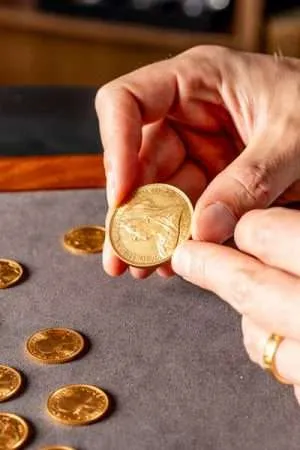
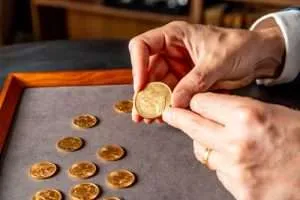
To me, gold has always had a unique and fascinating relationship with humans ever since the very first civilisations 5000 years ago.
It is remarkable to think that a commodity like gold, which is thought to have formed from a supernova event (the colossal explosion of a star) billions of years ago, has such immense significance for us.

Supernova: Describes the enormous collapse of a star
From ancient Greeks and ancient Romans to medieval war chests to the first ever Sovereign coin and now, several thousands of years later, gold STILL remains the one true store of value especially against the backdrop of uncertainty and devaluing currencies.
In order to appreciate the value of gold today, I think it would be fun (emphasis on FUN) and helpful to go through the brief history of gold.
4000 BC – Gold was first discovered in ancient Mesopotamia and ancient Egypt. Mesopotamia is thought to be the start of civilization.
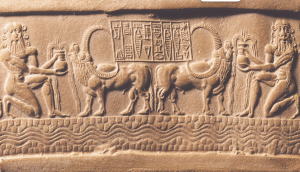
3600 BC – Gold was first smelted in ancient Egypt where the Egyptians used blowpipes to heat smelting surfaces to separate gold from its ore.
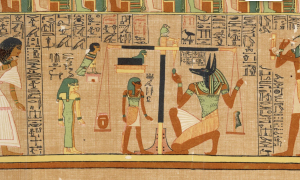
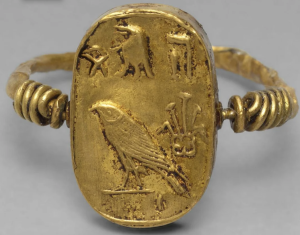
2600 BC – Around this time, the first piece of gold jewellery was made. According to the Royal Mint, Egyptian maps show the very first plans for a gold mine.
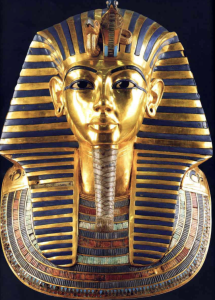
1323 BC – Pharoah Tutankhamun passes away. His famous sarcophagus is made of pure gold along with other gold treasures in his tomb. Gold was of great significance to the ancient Egyptians. Gold represented the sun: eternal, bright and the source of life. Gold had magical qualities to the ancient Egyptians due to the fact it never rusts. It was thought that the skin of the gods was made from gold and since pharaohs were seen as gods, their tombs were also made from this precious metal.
600 BC – The first gold alloy coins were struck around this time in the Kingdom of Lydia (modern day Turkey).
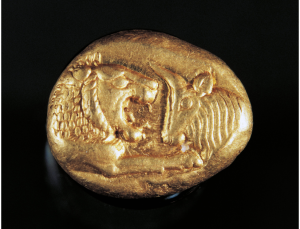
560 BC – The world’s first metallic coinage was created. The coins are called Croesids, named after the King of Lydia Croesus. Now that the coins contain consistent gold content, the coins are trusted as a form of value and currency and are thus accepted as payment. Previously, market participants engaged in a system of bartering to buy and sell goods.
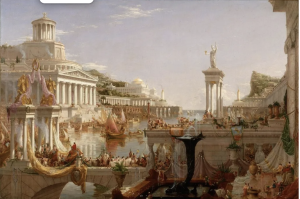
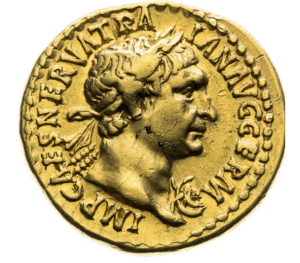
50 BC – The Romans began issuing their own gold currency called the Aureus. The word comes from the Latin word for gold “Aurum” and hence why the periodic symbol for the element of gold is “Au”. Rome then went on to conquer much of Europe and their empire stretched across three continents. The Roman gold currency was the foundation of Rome’s economic engine across their Empire.
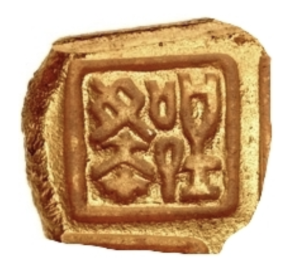
500 AD – The Chinese state of Chu issues the Ying Yuan, a gold square coin, as currency.
1300 AD – Hallmarking, a mark that establishes a precious metals purity, is established at Goldsmith’s Hall in London.
1370 – 1420 – The Great Bullion Famine occurs. Gold and silver mining in Europe intensifies so much that the mines are emptied. Some academics believe that strong outflows of gold and silver to the East, in return for spices, silks, gems and pearls, caused the shortage.
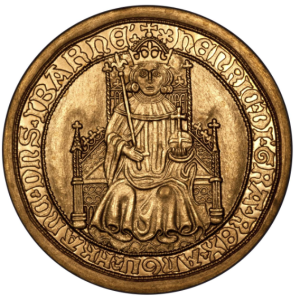
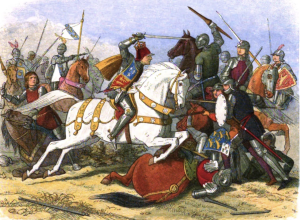
1489 – Henry VII issues the first gold Sovereign to be struck. The sovereign symbolises power and strength, having ascended to the throne by defeating Richard III, marking the end of the War of the Roses.
1717 – The UK sets the gold standard. This means the Sterling currency is pegged to the value of gold at a fixed rate.
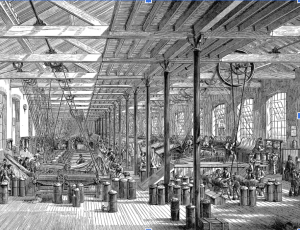
1816 – The Industrial Revolution revolutionises the monetary system. Steam-powered coin presses make coin making more efficient and seamless.
1848 – The California Gold Rush begins when gold is first discovered in California. Word about large gold deposits causes people from all over the US to migrate to California hoping to discover new-found wealth. The gold rush kickstarts economic growth in the region with the building of infrastructure and mines as well as a booming population.

1870 – 1900: Almost all countries adopt the gold standard where their currencies are pegged to the value of gold.
1914 – WW1 starts. Many countries move to fractional gold standards, inflating their currencies, to help pay for the war. This is the start of governments “printing” money to pay off debts but devaluing the currency in the process. This move causes hyperinflation in several countries.
People lost faith in paper money and banks.
As a result, families started to hoard gold.

1944 – WW2 causes countries to establish the Bretton Woods Agreement. The agreement put an end to the gold standard and the 44 nations’ currencies were pegged to the US dollar, which in turn was pegged to gold.
It marks the beginning of the dollar as the world’s reserve currency.


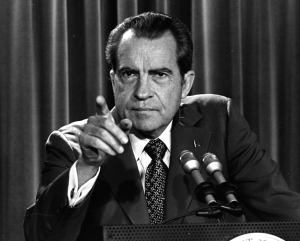
1971 to 1973 – US president Richard Nixon effectively abandons the Bretton Woods Agreement, where the value of the dollar and other global currencies are no longer related to gold.
This means the US can print money at will with no regard to its value in relation to gold.
1999 – The Central Bank Gold Agreement (CBGA) is established. European banks guarantee that gold will be a crucial monetary reserve.
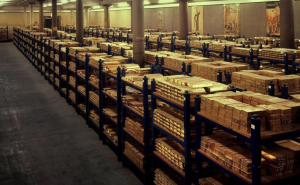
2008 – The financial crisis caused by the housing bubble sees gold rally as a safe haven asset.

2020 – Gold rallies again as the pandemic causes a global lockdown and economic slowdown. Gold becomes a proven diversifier against stocks and global downturns.

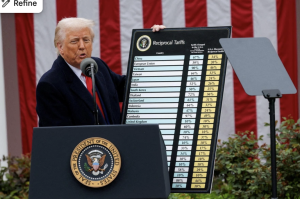
2025 – Gold reaches new record highs. The precious metal continues to be the ultimate protection against devaluing currencies, trade uncertainty, and geopolitical tension. As president Trump undermines the safety of US assets and increases US debt levels, gold becomes even more attractive to investors.
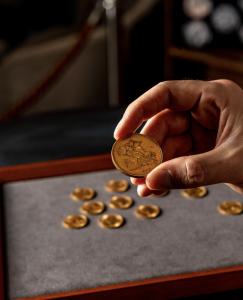
History has shown us that gold symbolises power, wealth, value, and an object of importance. Ancient Egyptians used gold to depict the gods, gold was the bedrock for the economic engine of the Roman Empire, and gold took us away from a barter economy, where we traded goods for other goods. They say “past performance is no indication of future performance” but no asset has had a longer history than gold. Gold’s value has gone from strength to strength over 5000 years.
Economic development has allowed us to live in a manner that even rich kings and queens in the medieval times would be jealous of. Previously, gold was reserved for royalty, the nobility and banks. Now, more than ever, gold has been democratised for everyone at unprecedented levels.
Although gold has become more accessible, its qualities have remained timeless. The abandonment of the gold standard has allowed governments to erode the real value of money and has instilled doubt into the credibility of financial institutions. The ancient Romans and Egyptians would never fall for paper money.
However, I am excited that the adoption of fiat currencies has created an opportunity for individuals to protect their wealth, at levels far above inflation, when others have blind faith in the status-quo.
To many, gold represents safety. To me, gold symbolises opportunity. Strategy. Peace of mind.